Reliavle vibration machinery factory committed to good customer experience - GUOFENG
Language
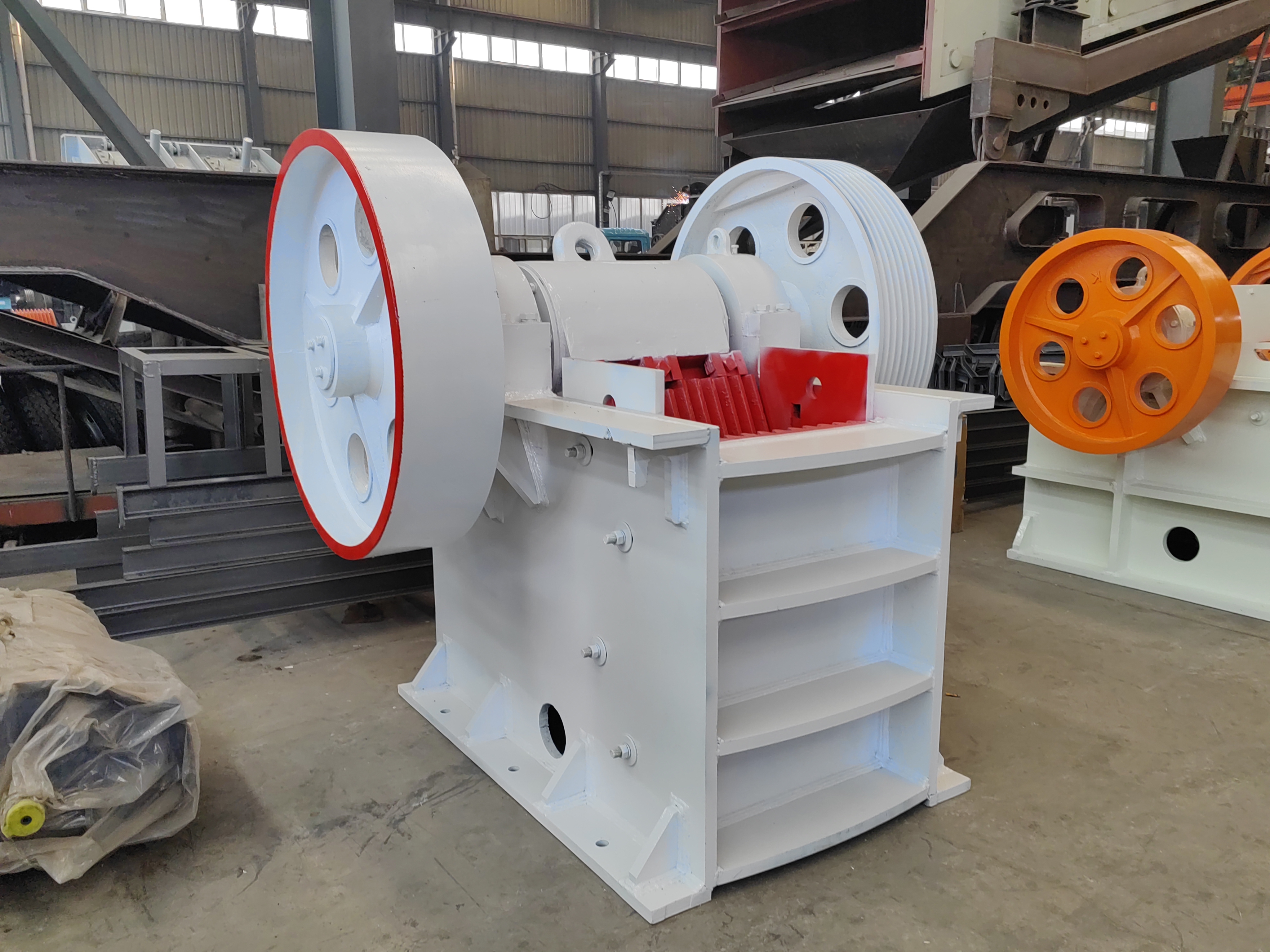
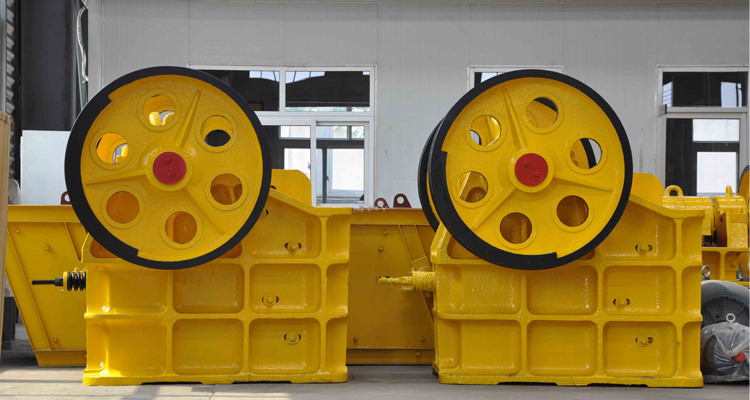
Jaw crushers are commonly used for the primary crushing of hard and abrasive materials, such as granite, limestone, and other types of rock. During operation, large feed materials enter the crushing chamber and are compressed between the fixed and movable jaw plates.
The size of the final product is influenced by several factors, especially the feed particle size and the discharge setting. Understanding how these factors work together helps operators adjust the crushing process and achieve a suitable product size for the next stage.
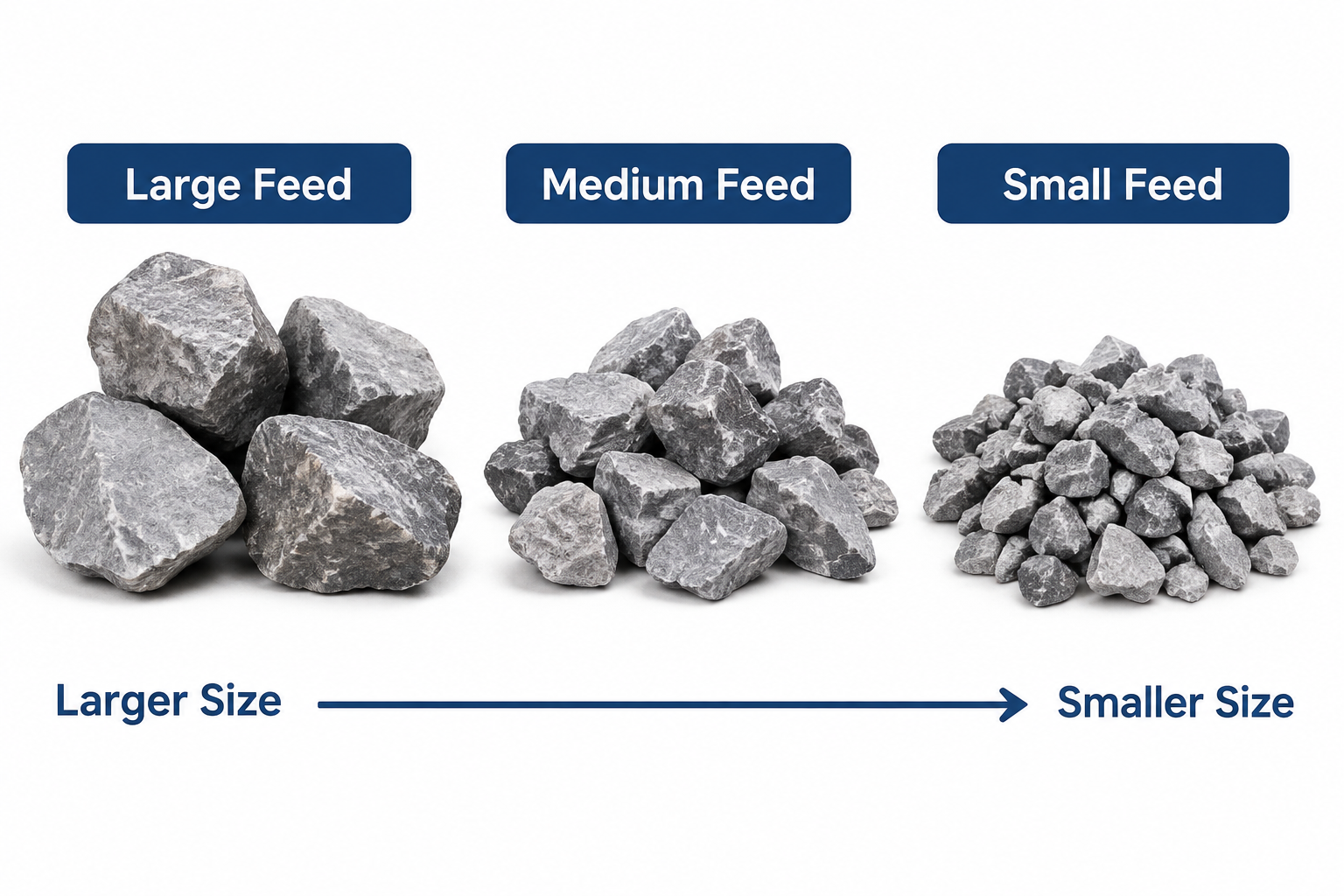
Feed Size Determines What Can Enter the Crushing Chamber
The feed opening and crushing chamber of a jaw crusher are designed for a certain range of material sizes. If the incoming material is too large, it may not enter the crushing chamber properly, which can interrupt feeding or cause blockages.
Feed size should therefore be checked before crushing. The largest pieces in the material should be considered, rather than relying only on the average particle size.
A suitable feed size allows materials to enter the crushing chamber more smoothly and helps maintain stable crushing conditions.
The Discharge Setting Influences Product Size
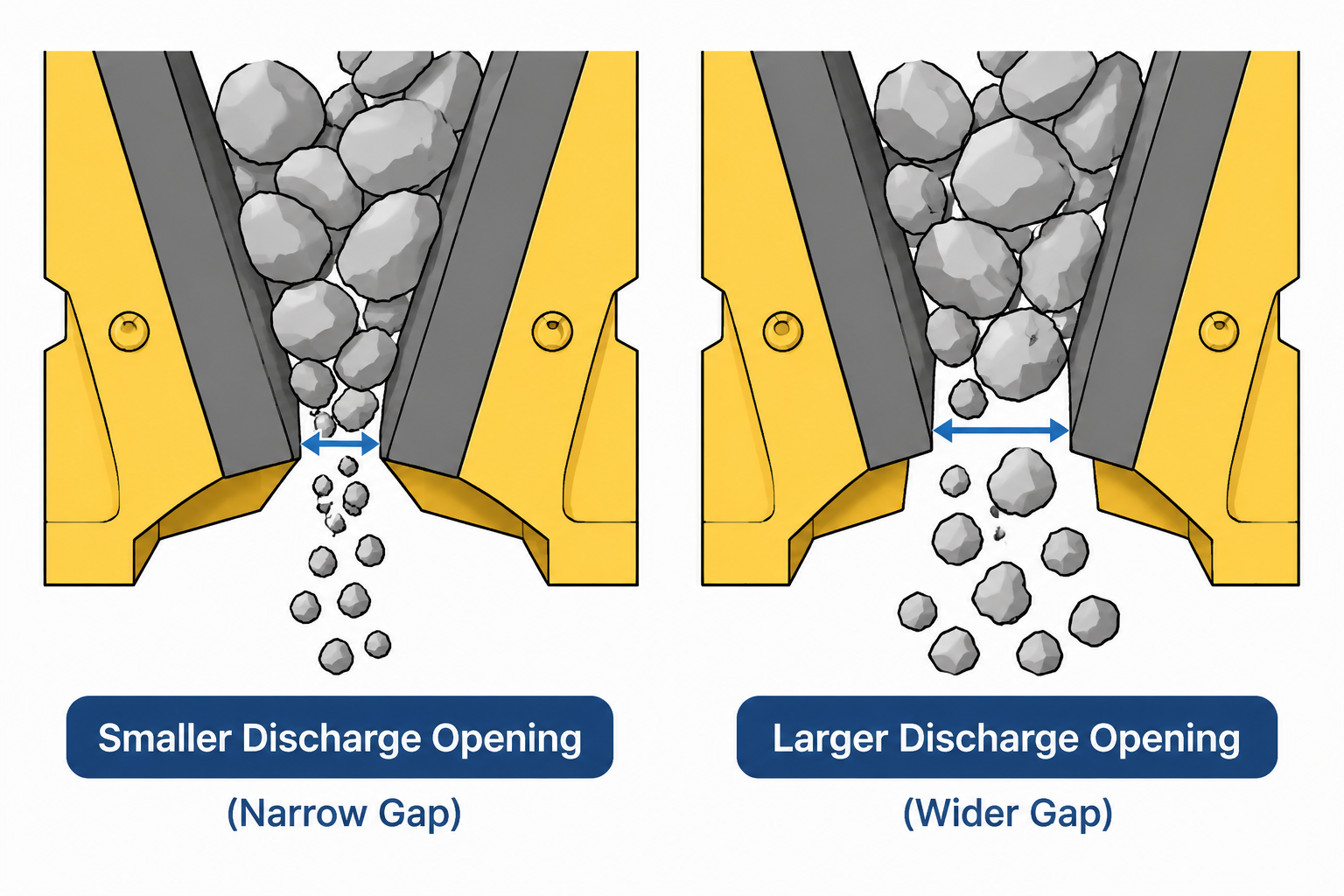
The discharge setting refers to the opening at the bottom of the crushing chamber through which crushed material leaves the jaw crusher. It is an important adjustment that influences the size distribution of the discharged material.
In general, a smaller discharge setting produces a finer product, while a larger setting allows coarser material to pass through.
However, the discharge setting does not represent the exact size of every discharged particle. The final product contains particles of different sizes, and its actual distribution also depends on material properties and crushing conditions.
Feed Size and Discharge Setting Must Be Considered Together
Feed size and discharge setting serve different purposes in the crushing process. Feed size determines whether the material can enter the crushing chamber, while the discharge setting influences the size range of the discharged product.
If the feed material is too large for the crusher, simply adjusting the discharge setting will not solve the feeding problem. The material may need to be reduced in size before entering the jaw crusher.
Similarly, when a finer product is required, reducing the discharge setting may help, but the adjustment should remain within the machine's permitted operating range.
Material Properties Also Affect the Crushing Result
Different materials do not respond to compression in exactly the same way. Hardness, toughness, and internal structure can influence how easily a material breaks under pressure.
For example, hard and abrasive rocks generally require suitable crushing equipment and wear-resistant jaw plates. Tough materials may behave differently from brittle materials during crushing, even when their feed sizes are similar.
For this reason, the required product size should be evaluated together with the material being processed. A discharge setting alone cannot fully determine the final particle size distribution.

Check the Actual Product After Adjustment
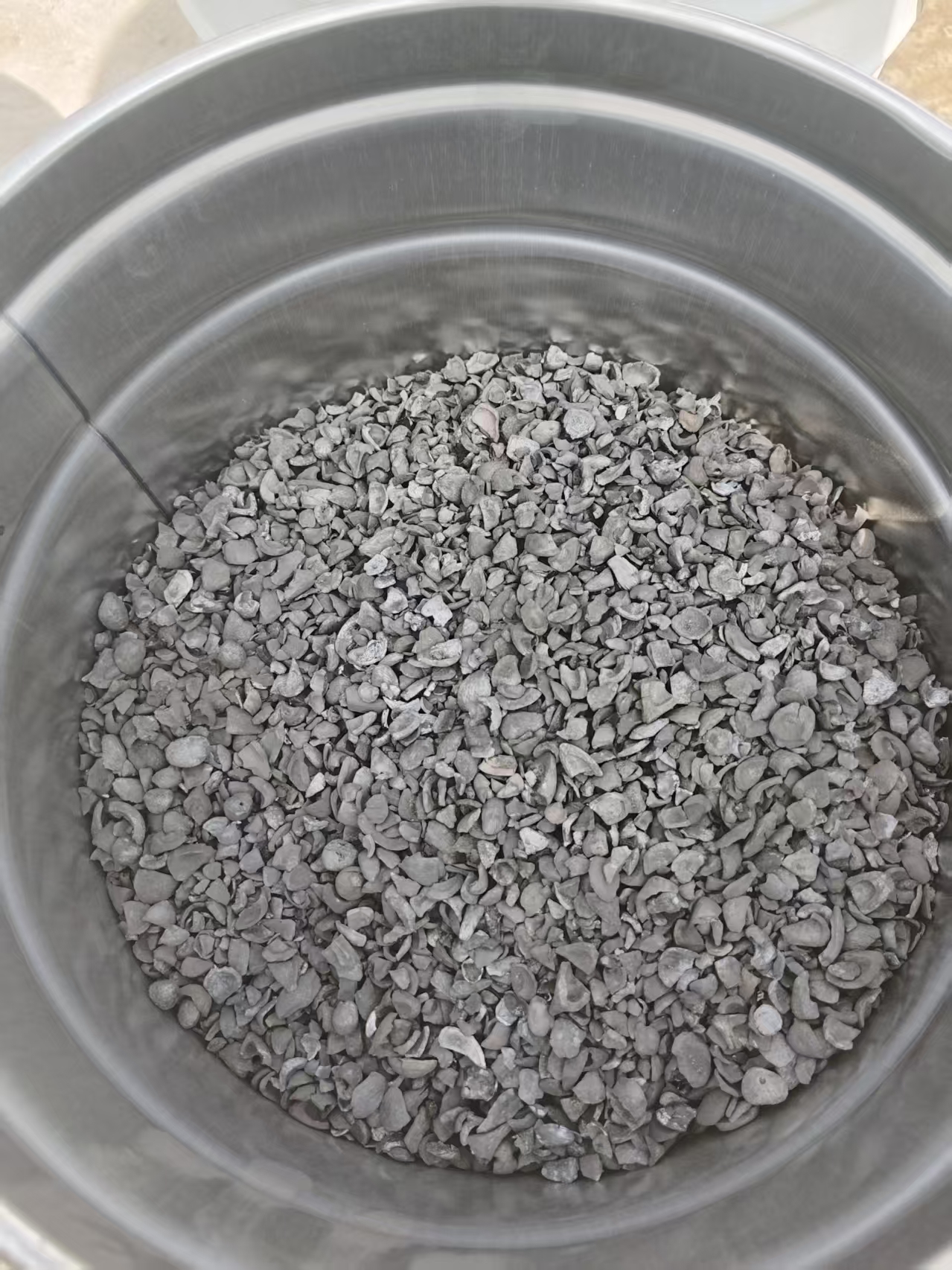
Changing the discharge setting is only one part of controlling the crushing result. After an adjustment, operators should collect and inspect the discharged material to determine whether it meets the required size range.
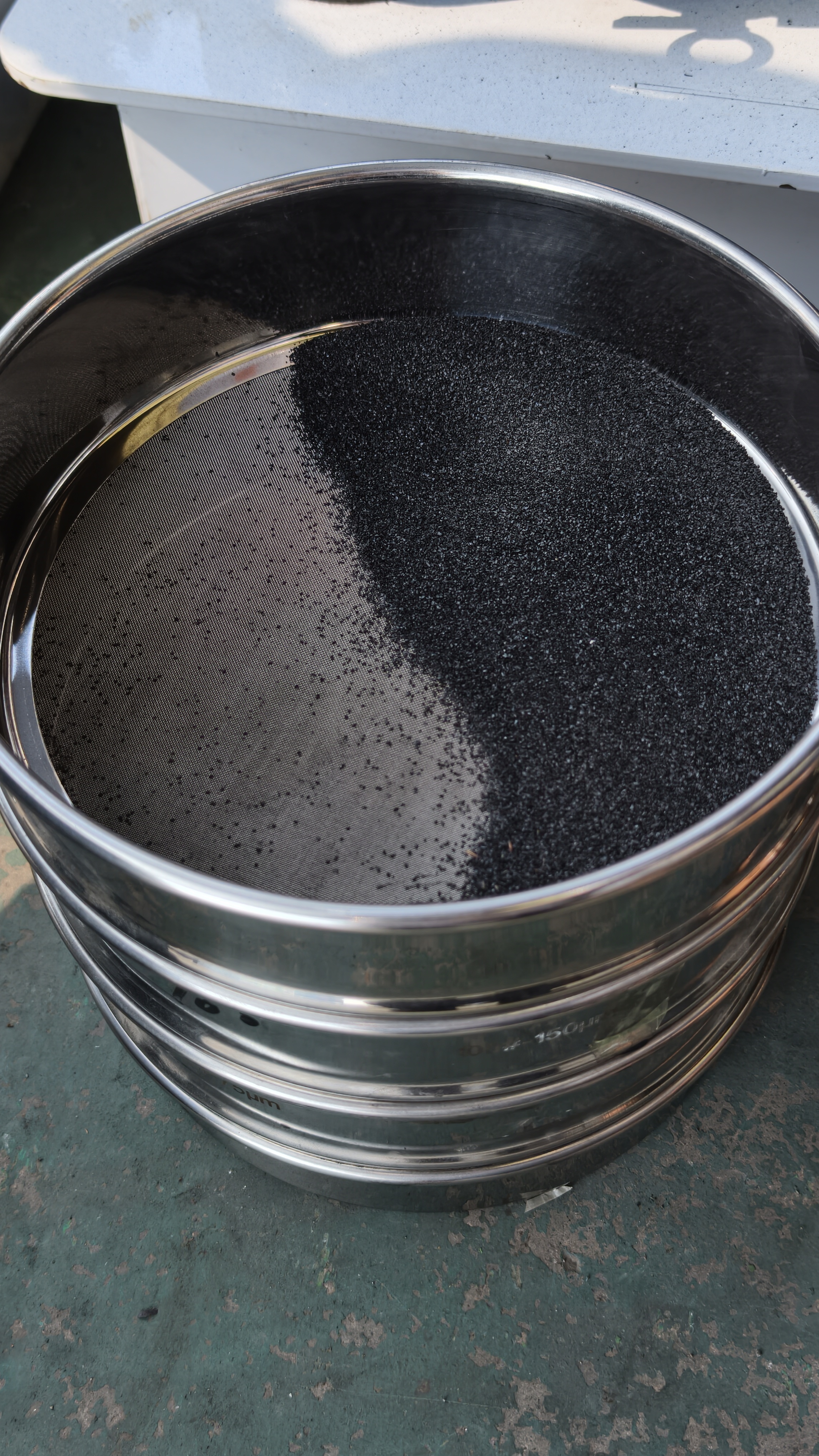
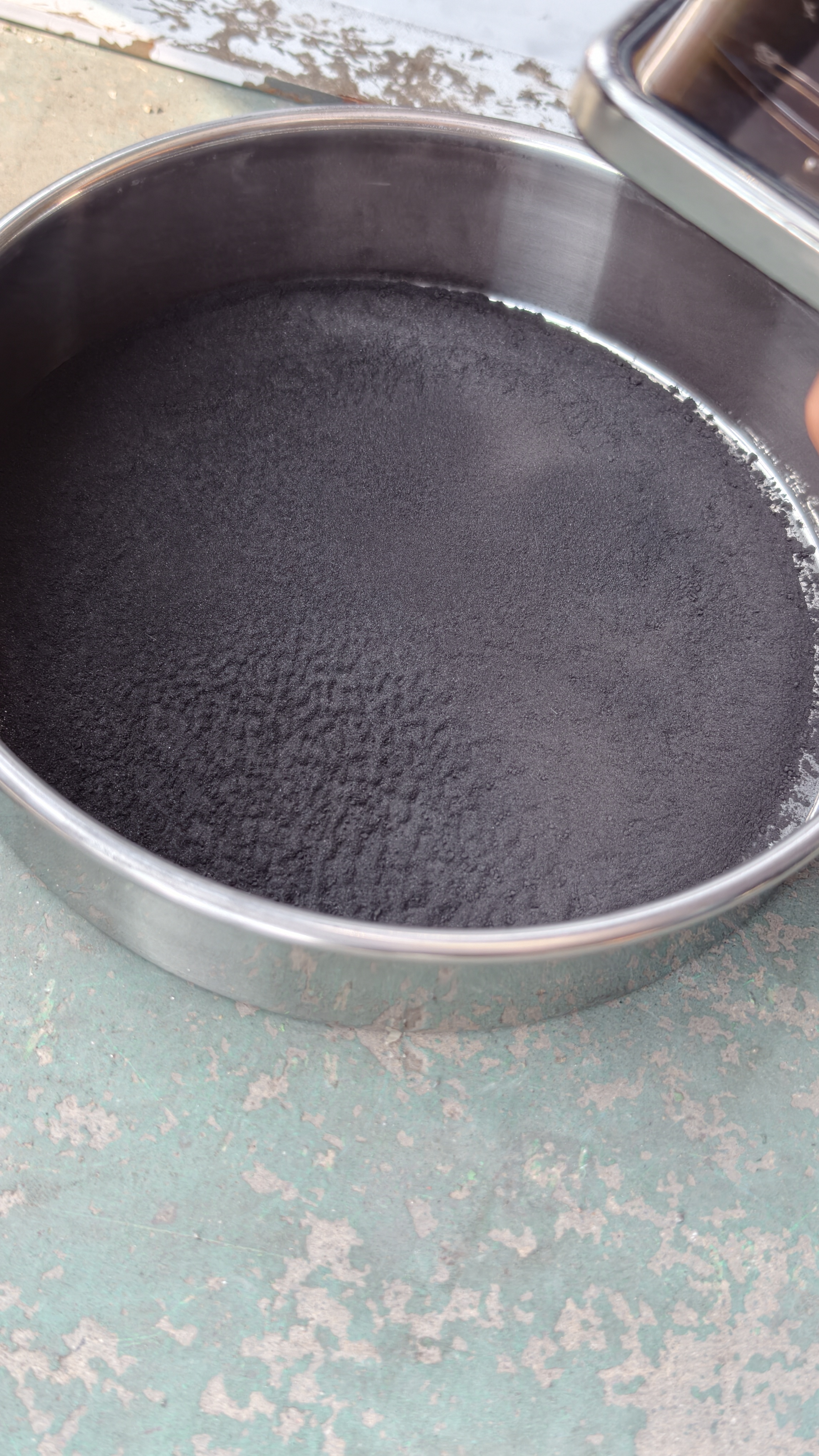
A simple screening test can help separate the product into different size fractions. This makes it easier to identify whether the discharged material contains too many oversized particles or more fine material than required.
If the product does not meet the target, the operator should review the discharge setting, feed conditions, and material characteristics together instead of making repeated adjustments without checking the result.
Conclusion
The feed size and discharge setting are two important factors in jaw crusher operation. Feed size affects the ability of material to enter the crushing chamber, while the discharge setting influences the size distribution of the final product.
By selecting a suitable feed size, setting the discharge opening appropriately, and checking the actual product, operators can better control the crushing process and prepare materials for subsequent processing.