Reliavle vibration machinery factory committed to good customer experience - GUOFENG
Language
Moisture content is an important factor in many grinding processes. Even when the grinding equipment and operating conditions remain unchanged, variations in material moisture can affect how the material behaves during grinding.
Excessive moisture may cause fine particles to stick together, increase material adhesion inside the grinding chamber, and make powder discharge more difficult. These effects can influence grinding efficiency and the consistency of the final product.
Understanding the relationship between moisture content and material behavior helps manufacturers determine suitable material conditions before grinding and maintain more stable production.
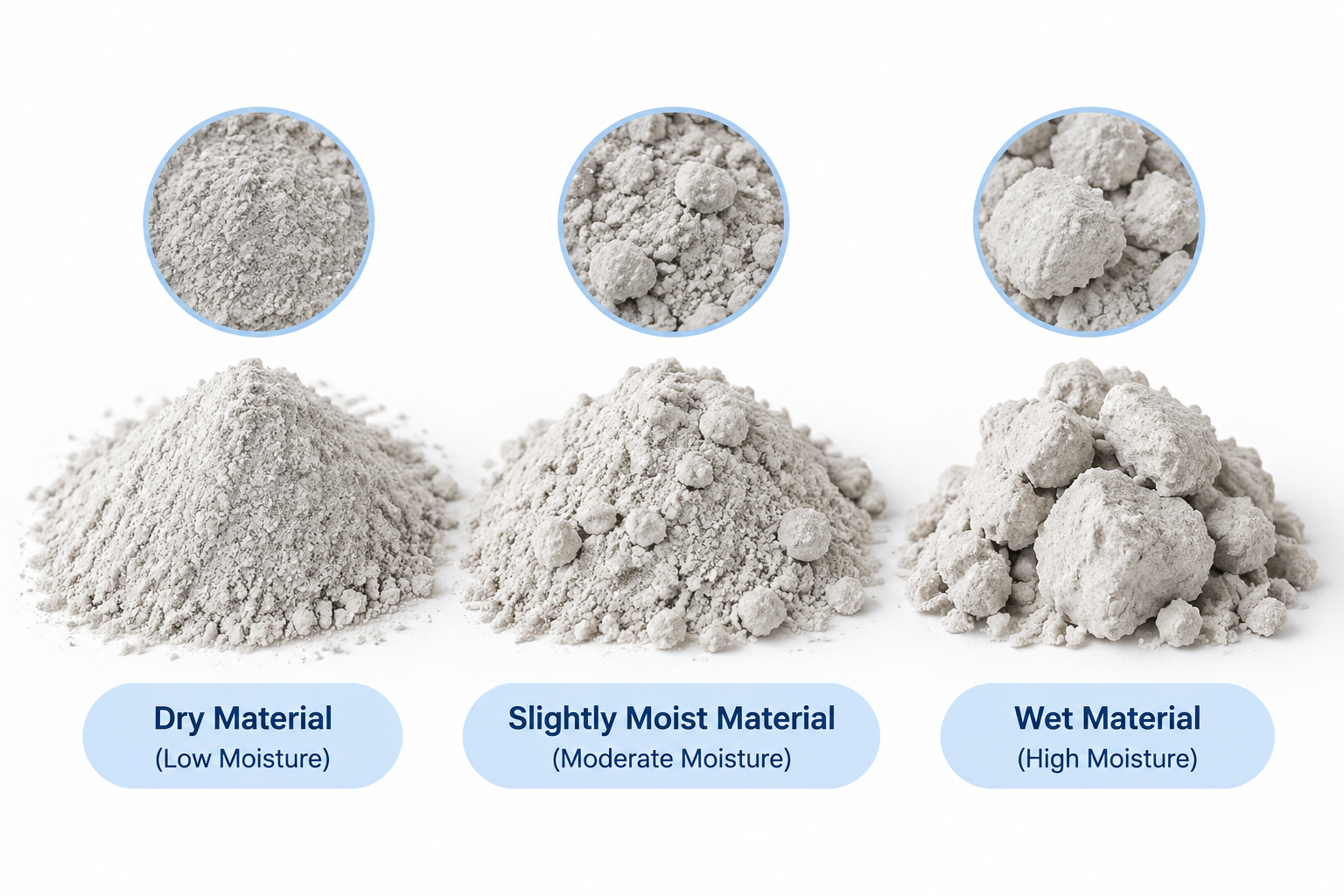
Moisture can change the physical behavior of bulk materials, particularly fine powders. When water is present on particle surfaces, it may increase the adhesion between particles and cause them to form small aggregates.
This behavior is related to particle size and surface characteristics. Fine particles have a relatively large surface area compared with their mass, making surface moisture particularly important in many powder-handling processes.
As moisture increases, some materials may become less free-flowing and more likely to form lumps. However, the degree of change depends on the material itself, including its composition, particle size, and surface properties.
During grinding, material repeatedly contacts grinding components and the internal surfaces of the grinding chamber. When the material contains excessive moisture, particles may adhere to these surfaces instead of moving freely through the grinding area.
As material gradually accumulates, the effective space available for material movement may be reduced. This can interfere with the normal movement of material and make cleaning and maintenance more demanding.
The extent of adhesion varies with material properties and grinding equipment design. Some materials are more sensitive to moisture than others, so material testing is important before establishing operating conditions.
Grinding efficiency depends on how effectively mechanical energy is transferred to the material. When moisture causes particles to form aggregates, the material may behave differently under grinding forces.
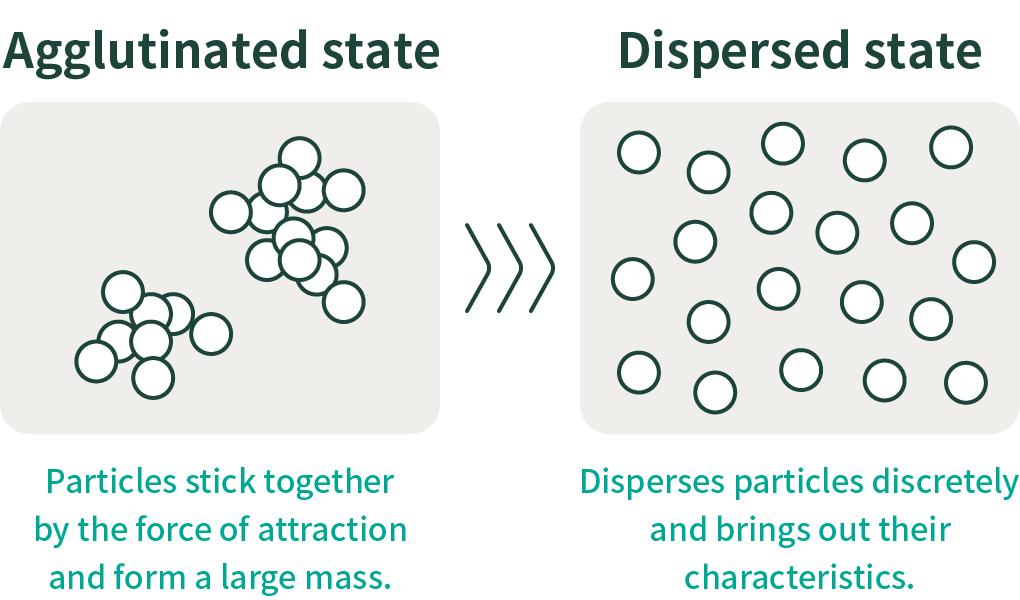
Instead of remaining as separate particles, fine powders may form larger clusters. These clusters can make it more difficult to achieve a consistent particle size distribution, depending on the material and grinding method.
Excessive moisture may also increase the resistance to material movement and discharge. When material does not flow smoothly through the grinding system, production stability can be affected.
The purpose of grinding is not only to reduce particle size but also to obtain a product with the required particle size distribution and physical properties.
When moisture causes particles to agglomerate, the resulting powder may contain clusters that behave like larger particles. This can affect particle size measurements and the consistency of the final product.
Moisture can also influence the flowability of the ground powder. Poor flowability may create difficulties during subsequent storage, conveying, and packaging operations.
For products with strict particle size and moisture requirements, both properties should be evaluated during quality inspection rather than considering particle size alone.
Pre-drying is one possible way to reduce moisture-related problems in dry grinding processes. It can help lower surface moisture, reduce particle adhesion, and improve the handling characteristics of certain materials.
However, drying is not necessary for every material. Some materials can be processed at their existing moisture levels, while others may require moisture control to achieve the desired grinding results.
The decision should be based on material testing, target particle size, grinding method, and the moisture requirements of the final product. Excessive drying may also increase energy consumption without providing meaningful benefits.
Effective moisture control begins with understanding the incoming material. Measuring moisture content at different production stages helps identify whether the material is suitable for the selected grinding process.
For moisture-sensitive materials, storage conditions should also be considered. Exposure to humid air, water leakage, and improper storage may cause material moisture to change before it reaches the grinding equipment.
Where drying is required, the drying process should be matched to the material's characteristics. Temperature and drying time should be controlled to avoid damaging heat-sensitive materials or changing their required properties.
Regular moisture checks, appropriate storage, and consistent feeding conditions can help reduce variations in material behavior and improve grinding process stability.
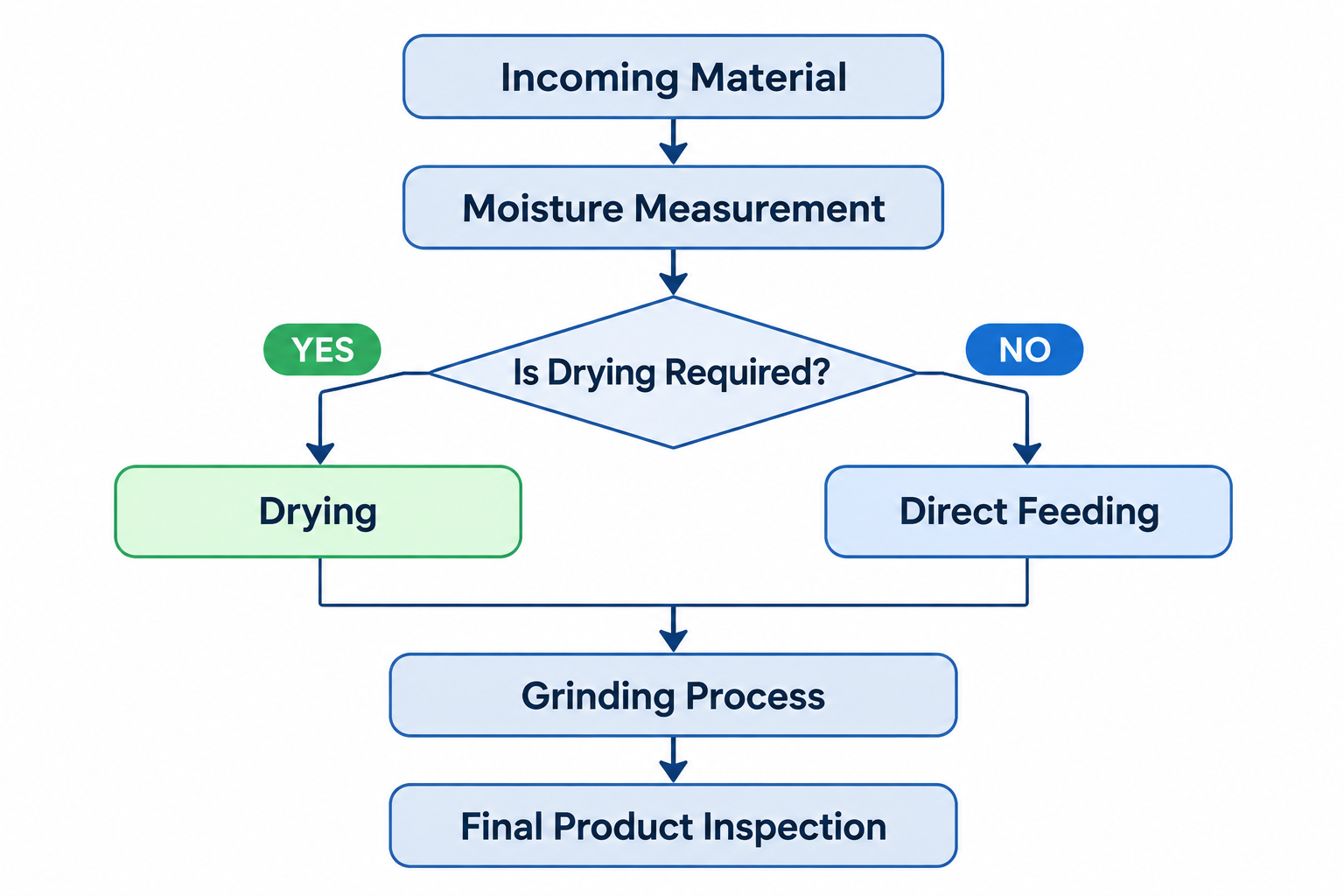
Material moisture is an important consideration in grinding operations. It can influence particle adhesion, material flow, grinding efficiency, and final powder quality.
There is no single moisture level suitable for all materials. By evaluating material properties, testing moisture conditions, and selecting appropriate pre-treatment methods, manufacturers can establish more suitable grinding conditions and achieve consistent product quality.
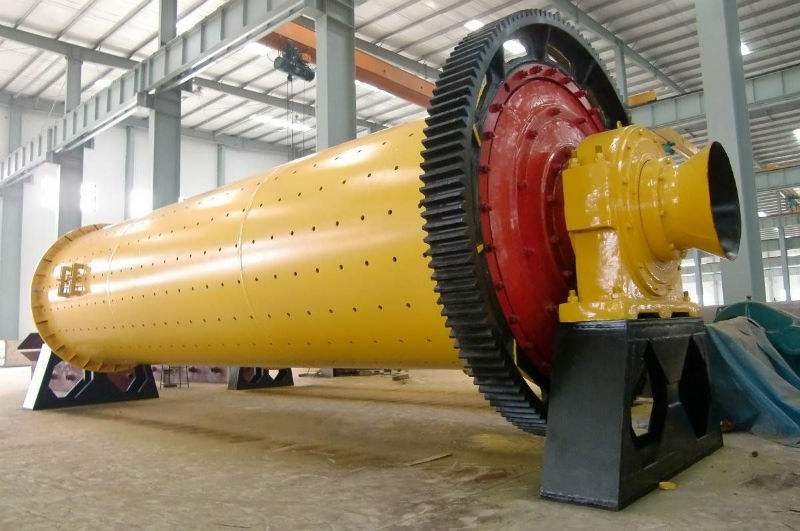
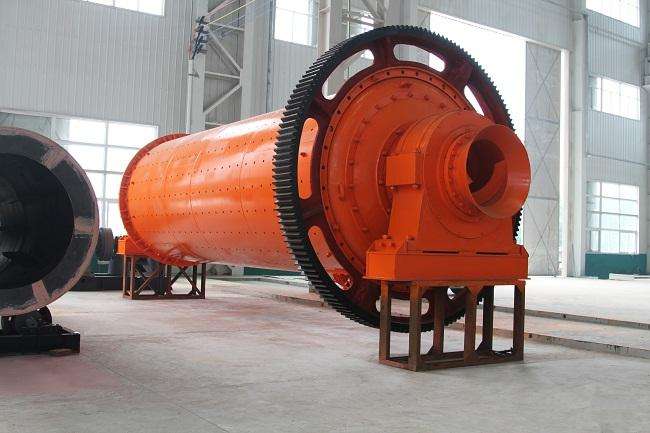
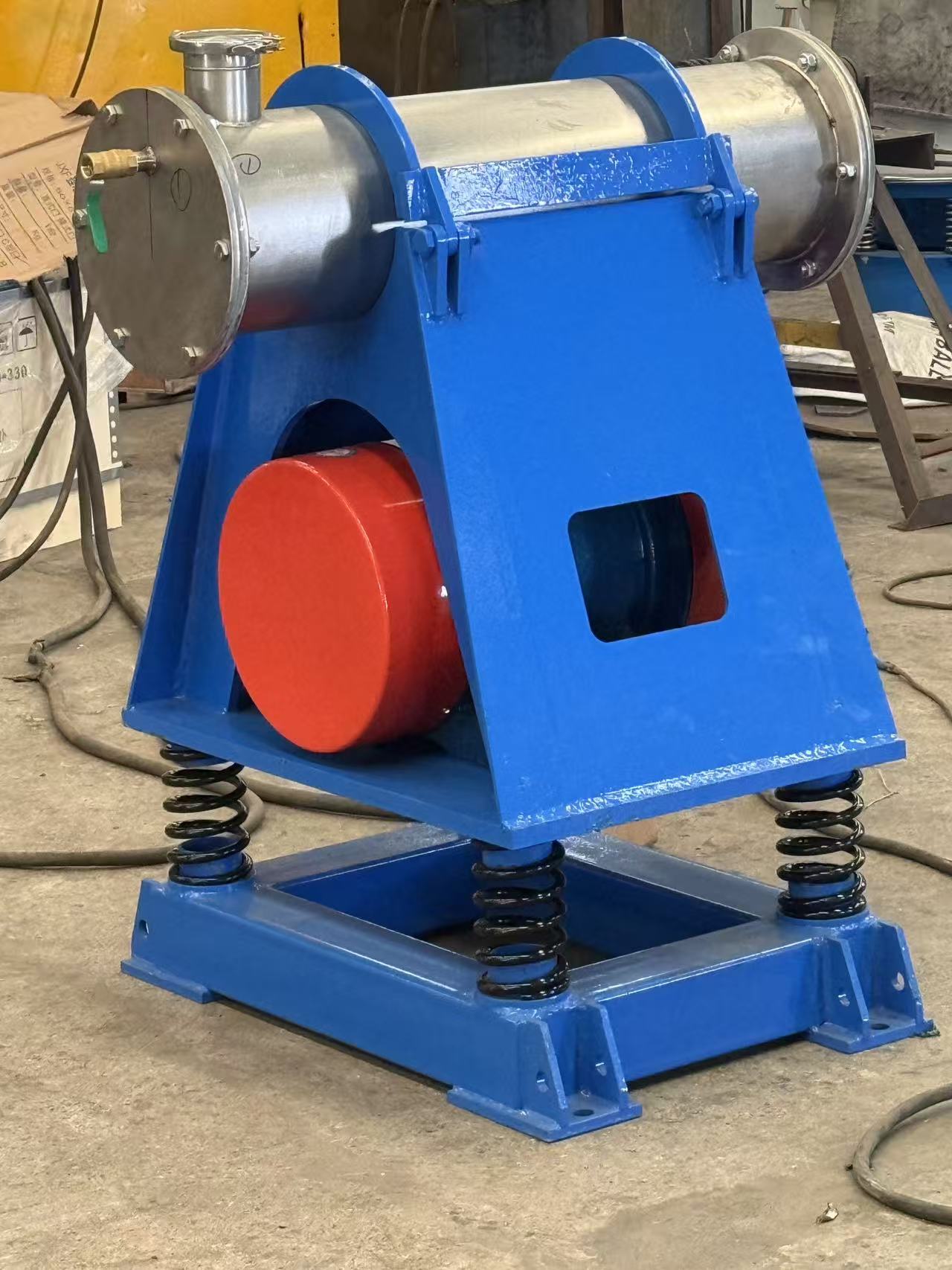
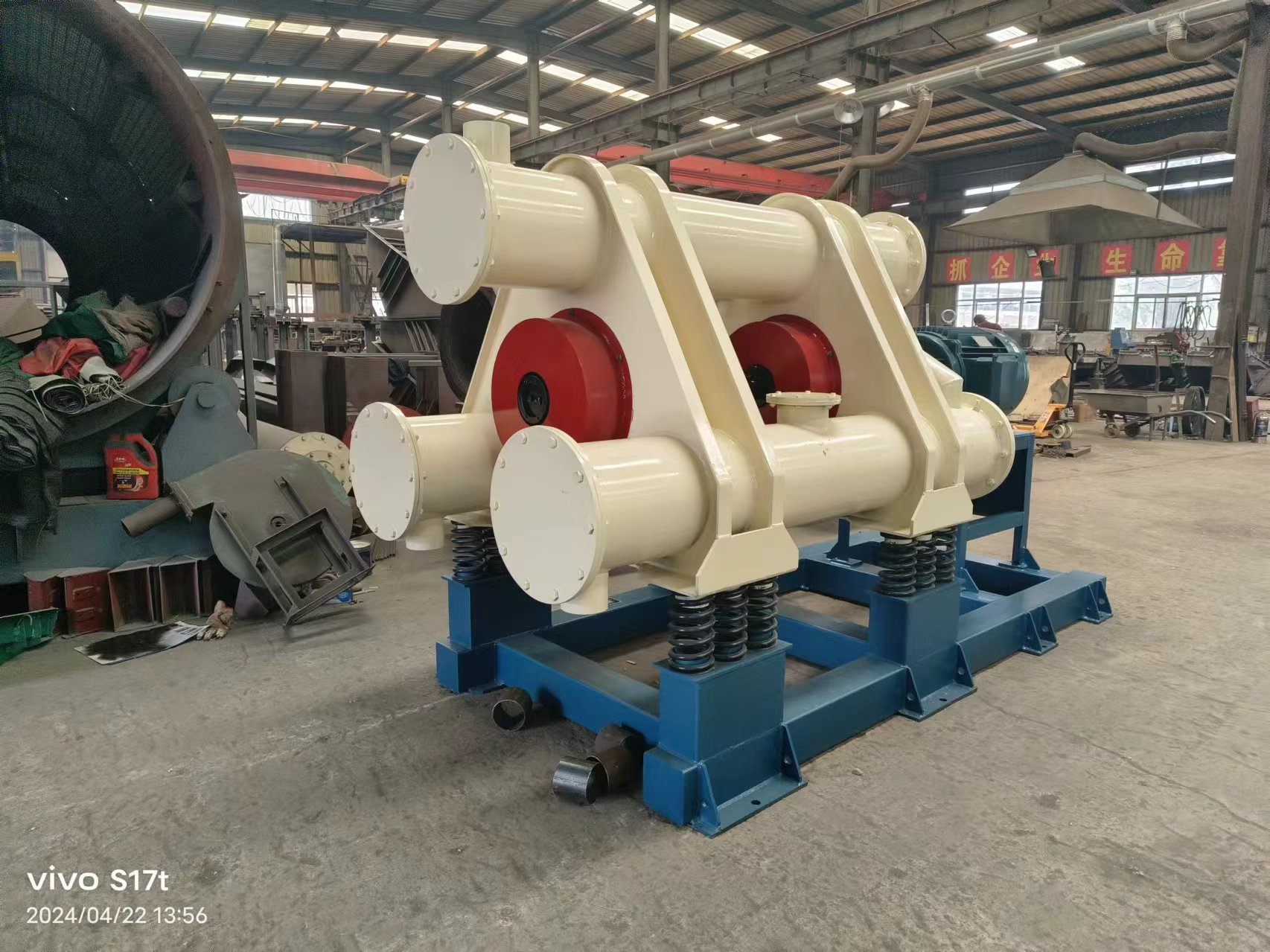
Different materials and grinding requirements call for different equipment. First Machinery offers various grinding solutions, including single-cylinder vibration mills, double-cylinder vibration mills, and ball mills, for different material processing applications.
Single-Cylinder Vibration Mill:
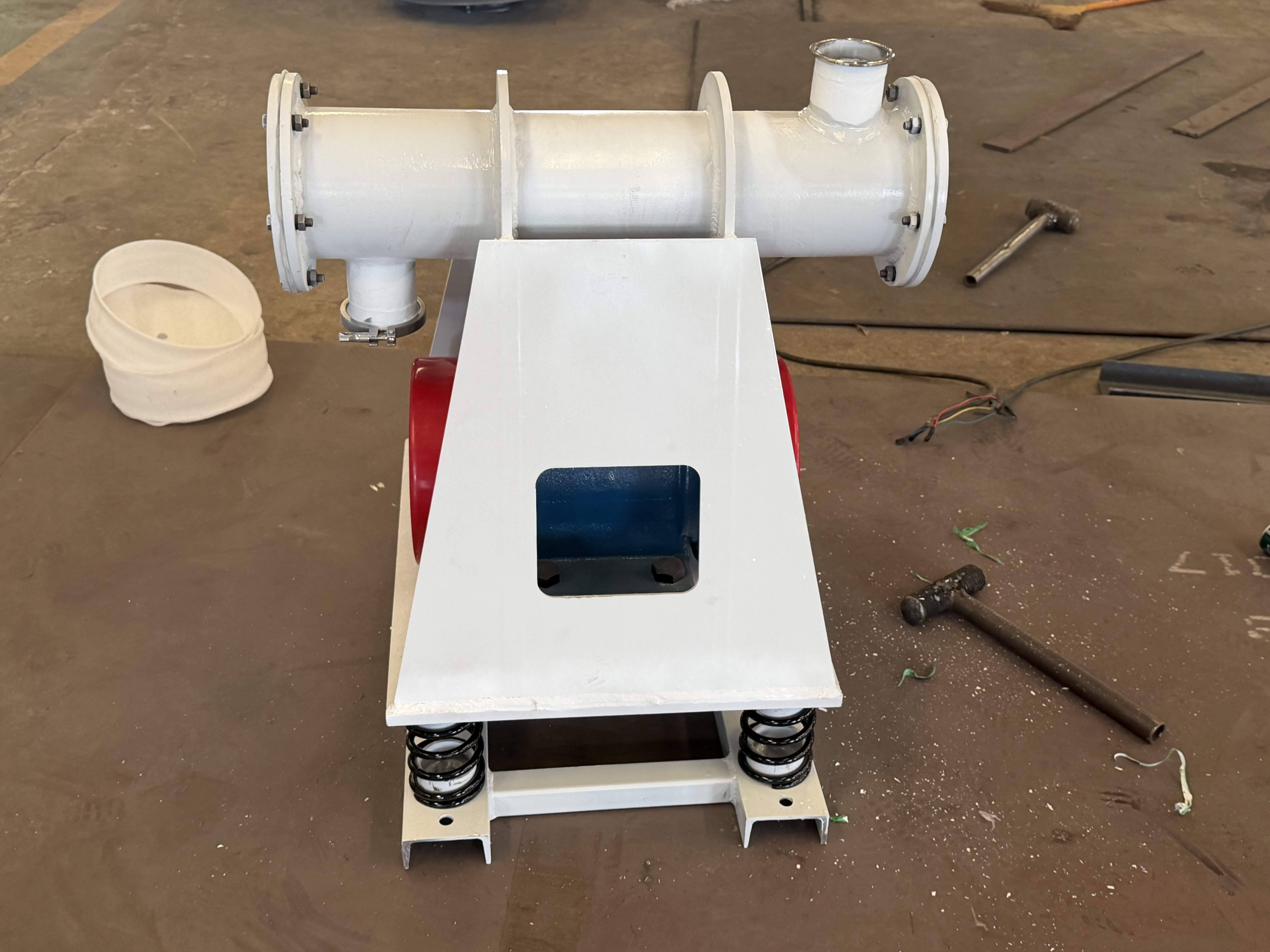
Double-Cylinder Vibration Mill:
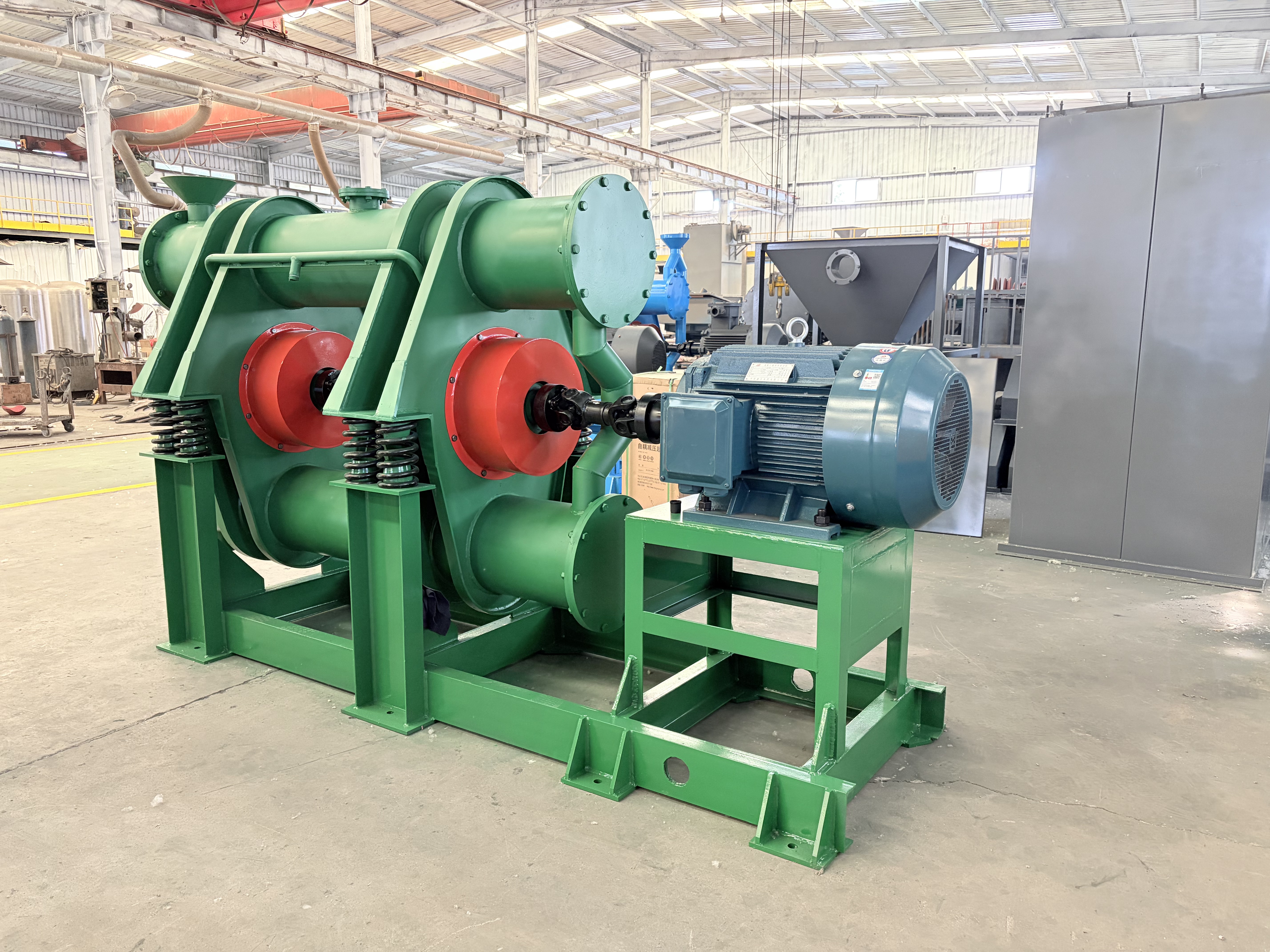
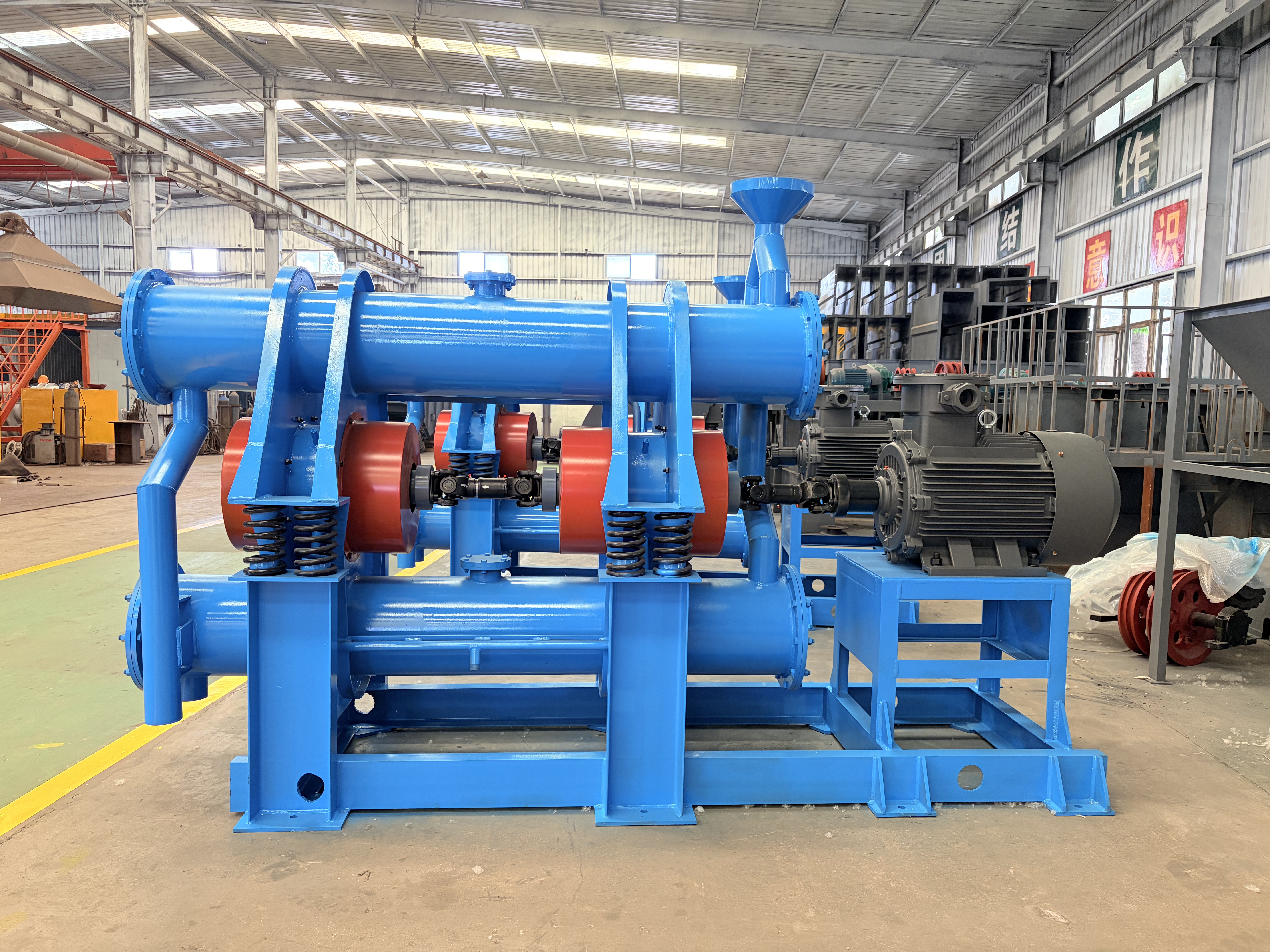
Triple-Cylinder Vibration Mill:
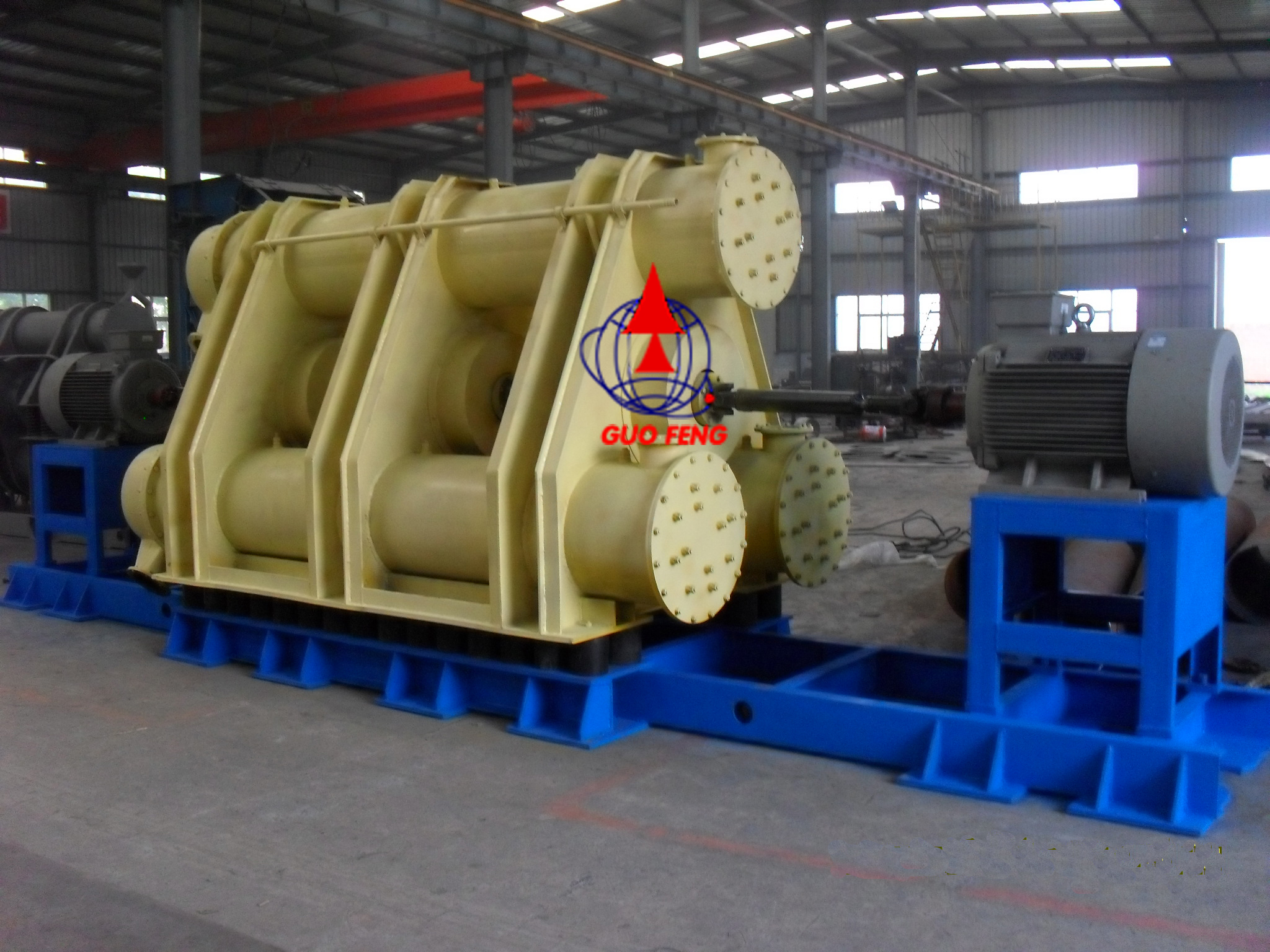
Ball Mill: